The Strange Comfort of an Old Hasselblad
The Hasselblad 500 ELM makes absolutely no sense for the way most people photograph now.
It’s heavy. Loud. Slow. The motor drive sounds less like a camera and more like industrial machinery reluctantly waking up for another shift. It doesn’t disappear in your hands the way modern mirrorless cameras try to. It demands space. Attention. Patience.
And somehow, it immediately felt natural to me.
There’s something strangely comforting about photographing with old mechanical cameras. Not because they’re perfect, and definitely not because they’re convenient, but because they ask you to slow down enough to actually pay attention.
The 500 ELM has a rhythm to it.
You feel every frame advance through the body. You hear the motor wind after the shutter fires. Looking down into a waist-level finder changes the way you interact with the world around you. People soften a little when you aren’t hiding behind the camera at eye level. Compositions become more deliberate. Even light feels different when you know you only have twelve frames before stopping to reload.
I think that’s part of what keeps pulling me toward film in the first place.
Not nostalgia necessarily. More intention.
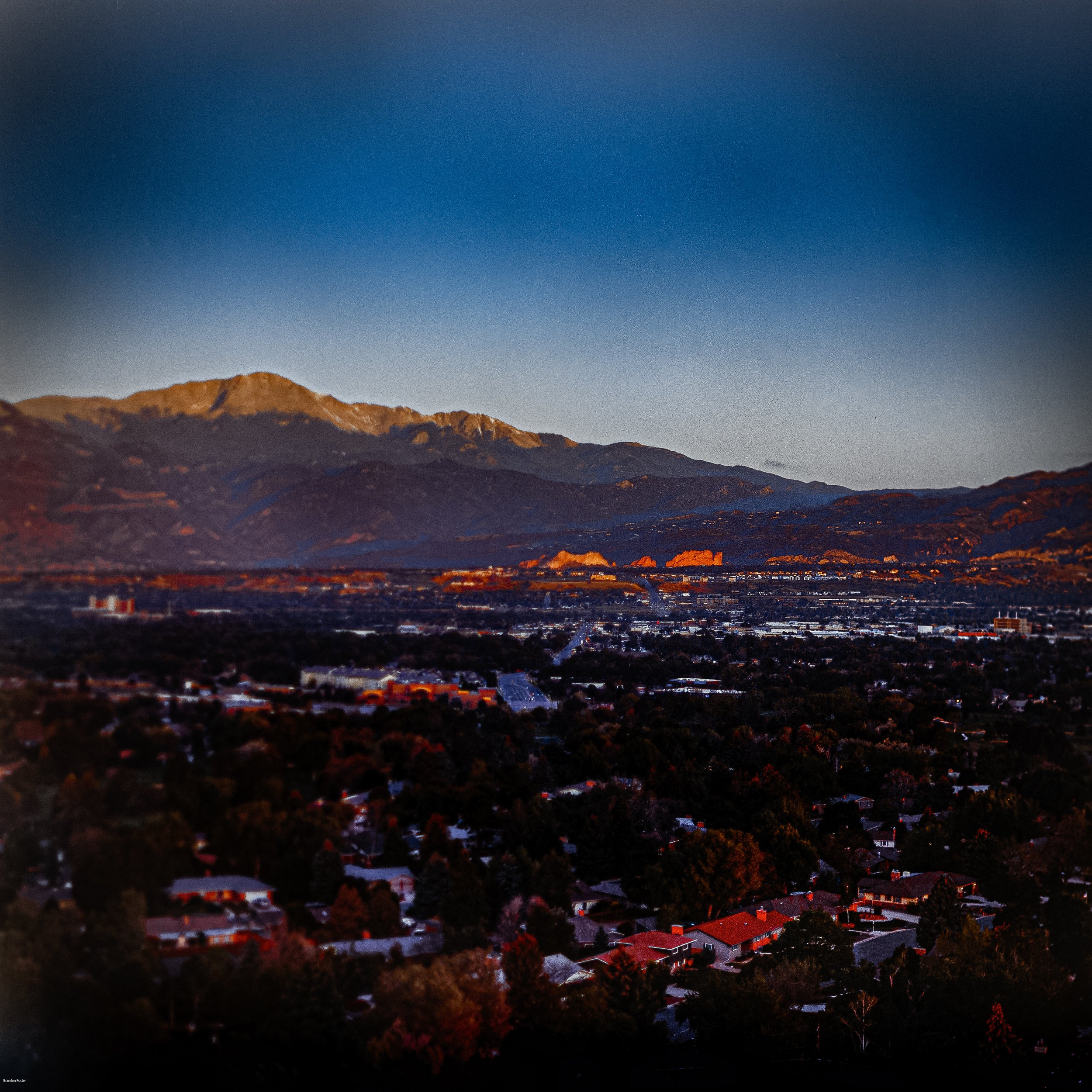
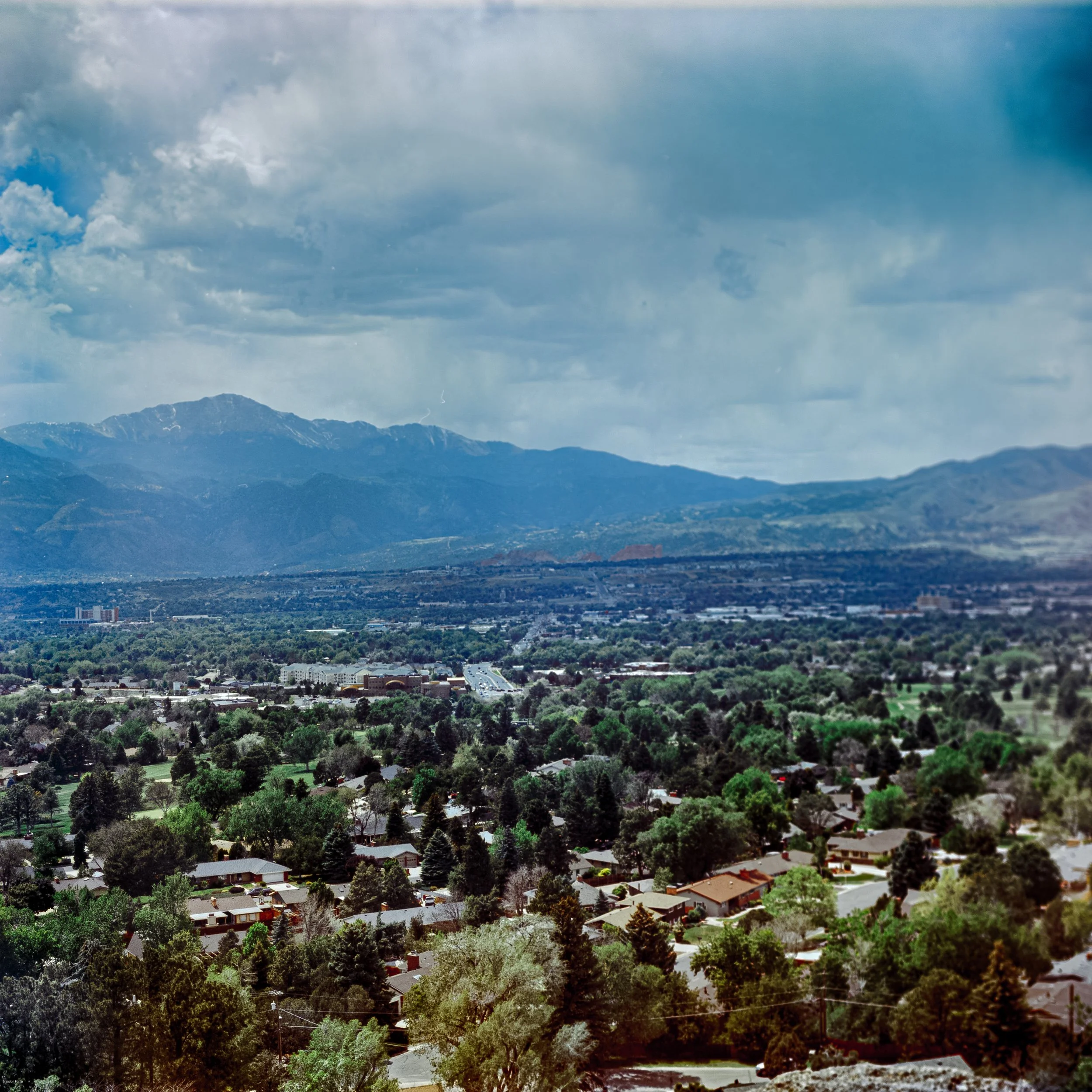
Lately I’ve been running Cinestill 400D and BWXX through the Hasselblad while trying to learn the camera instead of forcing it into the way I already shoot digitally. The results haven’t always been technically perfect, but honestly, that’s part of the appeal. Some of my favorite frames have light leaks creeping in from the edges or imperfections from a scanning setup I’m still dialing in. The images feel less clinical. More human.
BWXX especially surprised me. Storm clouds, dark streets, heavy shadows — it renders those scenes with a kind of quiet weight that feels hard to describe until you see it on film. 400D on the other hand leans cinematic in a completely different direction. Neon reflections, blue hour light, wet pavement, city glow — it almost feels designed for the atmosphere I naturally gravitate toward.
And then there’s the 35mm experiment.
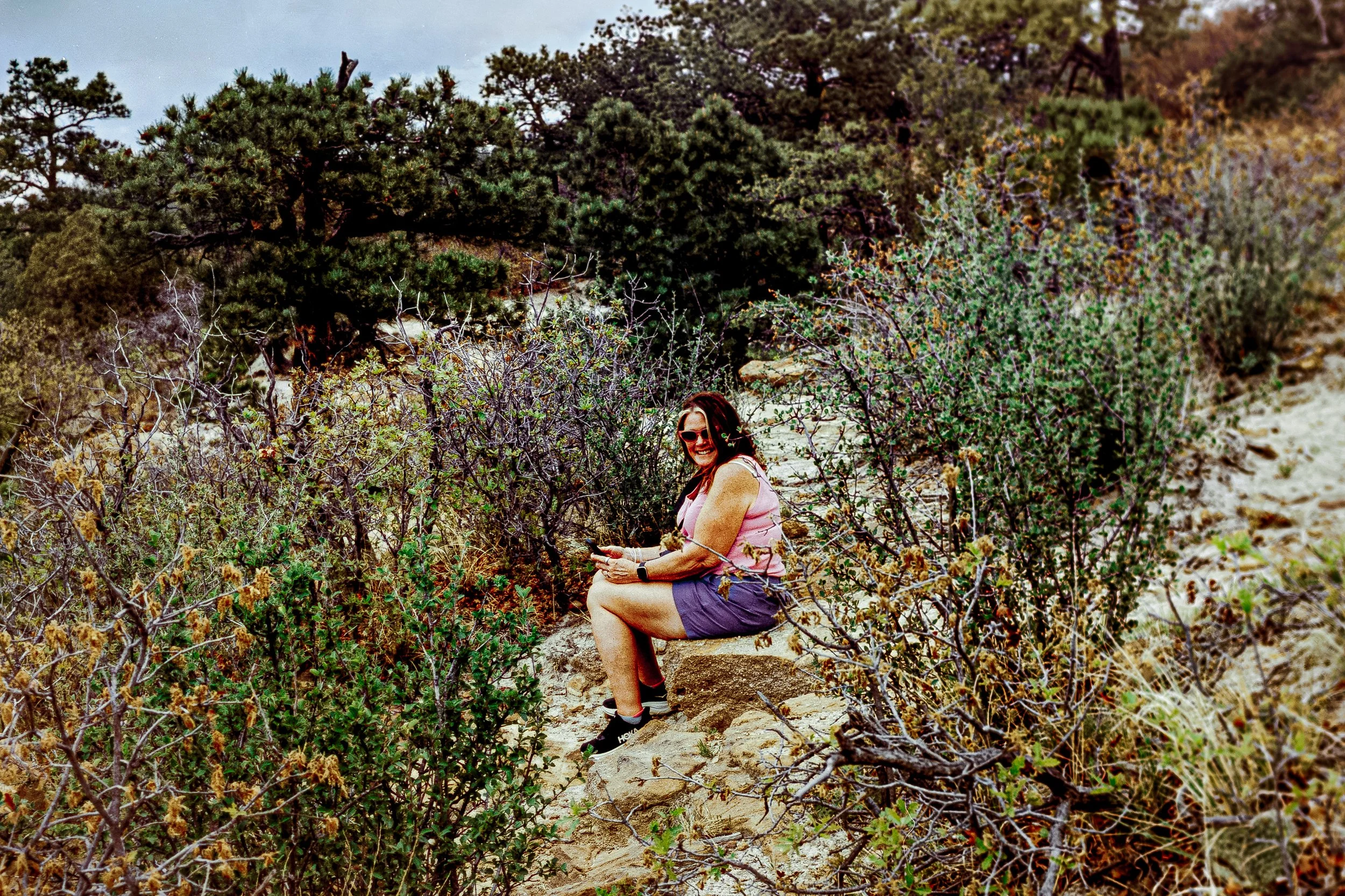
Recently I started running 35mm film through the Hasselblad using a converted spool setup just to see what would happen. Wide panoramic frames stretched across a medium format camera probably fall somewhere between “creative experiment” and “terrible idea,” but honestly, it’s been one of the most exciting things I’ve tried in a while.
The frames feel unpredictable in the best possible way.
That unpredictability is part of what makes this whole process feel alive again.
Modern photography often pushes toward speed, precision, and technical perfection. And there’s nothing wrong with that. But the older I get, the more I find myself drawn toward cameras that slow the process down enough to make me feel connected to what I’m photographing.
The 500 ELM hasn’t made photography easier.
It hasn’t made me faster either.
But it has changed the way I pay attention.
And lately, that feels more important than convenience.